Gas Leak Detection in
Fayetteville, AR

For gas leak detection in Fayetteville, the right response begins with a clear assessment—not a guess. This guide describes warning signs, safe first steps, qualified specialist methods, repair choices, local circumstances, and questions to ask prior to authorizing project. MaxRooter can connect you with a participating independent local service provider when one is available.

📞 Call (888) 341-0158

Gas Leak Detection: A Practical Local Guide

Gas Leak Detection should solve the underlying circumstance, protect the site, and leave the owner with a clear record of what was found. The relevant system may include fuel-gas piping, appliance connectors, valves and regulators, accessible and buried distribution. A well-planned field assessment therefore starts by defining which parts are involved, when the symptoms occur, and whether the issue is isolated or connected to a larger building system.

Fayetteville receives substantial rainfall and experiences humid summers, frequent rainfall and a meaningful seasonal freeze risk. Those cycles can influence exposed installed equipment, buried utilities, drainage, soil moisture, and building materials. They do not prove the cause of a specific gas leak detection concern, but they are reasonable context for an on-site assessment. Neighborhoods also contain a mixture of older buildings, renovations, and newer construction, so material, access, and prior project vary from address to address.

  • ✅ Clear diagnosis before repair recommendations
  • ✅ Written scope and price from the independent contractor
  • ✅ Verification of licensing, insurance and permits when applicable
  • ✅ Options explained in plain language
  • ✅ Testing and cleanup before the work is considered complete
Request a Local Connection
Gas Leak Detection service guidance for Fayetteville, Arkansas
🔍

Gas Leak Detection

Fayetteville site owner guide

(888) 341-0158

Warning Signs That Deserve Attention

A request for gas leak detection often begins with a change that is easy to dismiss. Common observations include a gas odor, a detector alarm, hissing, dead vegetation over a buried route, utility shutoff following a suspected leak. One symptom alone may have several explanations, so record when it started, whether it is constant or intermittent, and which fixtures, rooms, appliances, or outdoor areas are involved.

Patterns make assessment more efficient. Compare hot and cold operation, individual fixtures and the whole building, dry and rainy weather, and periods of low and high demand. Photographs, utility records, installed equipment labels, previous invoices, and a short timeline can help a service provider distinguish failed fittings from corrosion or damaged flexible connectors.

Common Causes of Gas Leak Detection Problems

The underlying cause may involve failed fittings, corrosion, damaged flexible connectors, physical impact, unapproved alterations. These circumstances can look similar from the surface even though their remedies, urgency, and cost differ. For that reason, replacing the most observable part without verification the surrounding system can waste money or allow damage to continue.

Age is only one factor. Installation quality, maintenance history, demand, water exposure, soil and weather, building movement, and unrecorded alterations also matter. A qualified specialist should describe the findings supporting a assessment and determine any uncertainty that remains prior to recommending major gas leak detection project.

How a Professional Diagnosis Should Work

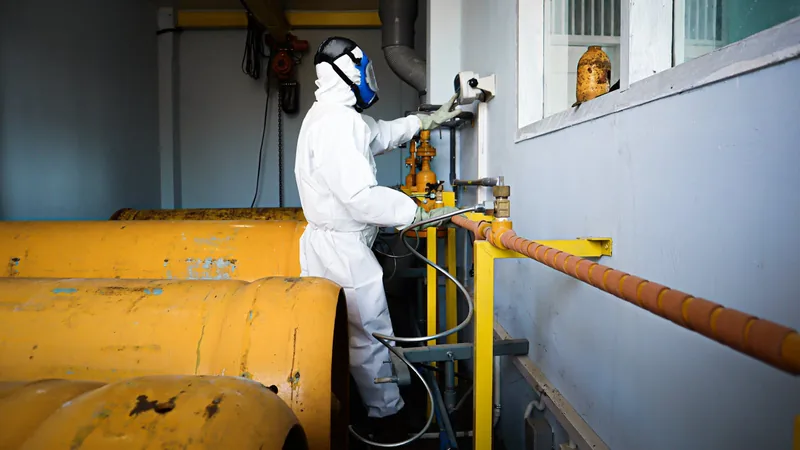
A focused assessment may use site safety assessment, utility coordination, approved combustible-gas detection, pressure verification, section-by-section isolation. The order should move from safe, non-destructive observations toward more invasive verification only when needed. Results should be connected to a location and a specific part rather than presented as a vague statement that the whole system is bad.

Request a list of what was tested, what passed, what failed, and whether the finding describes every reported symptom. For concealed project, request useful documentation such as photographs, readings, video, or a documented location. A strong assessment makes it possible to compare repair choices and reduces the chance of authorizing unrelated project.

Service and Repair Options

Depending on the findings, reasonable alternatives can include repair of a confirmed fitting, connector or valve replacement, pipe-section replacement, rerouting, documented verification prior to restoration. The least invasive alternative is not always the least expensive over the life of the system, and complete replacement is not automatically justified. The decision should reflect circumstance, remaining service life, access, repeat-failure risk, and how disruption affects the site.

For every alternative, request a clear boundary of project: parts included, materials, access openings, restoration, verification, disposal, permits, exclusions, and who handles related trades. If temporary stabilization is proposed, ask how long it is expected to last and what circumstances would require a permanent gas leak detection solution.

What Fayetteville Property Conditions Can Change

Fayetteville buildings range from established neighborhoods around Wilson Park, Mount Sequoyah and the historic downtown to downtown buildings, mid-century areas, apartments, commercial corridors, and newer development in west and southwest Fayetteville. Construction age alone does not determine the installed system, but it affects the likelihood of renovations, mixed materials, tight access, and undocumented prior project.

Northwest Arkansas weather also deserves practical planning. Normal annual precipitation is substantial, summer heat and humidity place demand on mechanical and outdoor systems, and winter freezes can expose weak points. prior to gas leak detection, the service provider should evaluate the actual site instead of assuming every Fayetteville site has the same material, soil circumstance, water source, or failure pattern.

Safe Checks Before the Appointment

residents can gather useful details without dismantling installed equipment. Note involved locations, check accessible shutoffs without forcing them, photograph observable circumstances, locate model and serial numbers, and write down recent changes. Clear reasonable access, secure pets, and determine where the main water, electrical panel, fuel shutoff, cleanout, or installed equipment area is located when it is safe to do so.

Do not turn observation into hazardous repair. Treat every suspected fuel-gas leak as an emergency. Leave immediately, avoid sparks and switches, and call the gas utility or emergency services from outside. If there is active flooding, sewage exposure, a suspected gas leak, sparking, smoke, structural movement, or another immediate danger, protect people first and contact the suitable emergency or utility service.

Understanding Scope, Price and Authorization

There is no honest single price for gas leak detection without knowing access, system type, assessment, materials, labor, verification, restoration, permit requirements, and urgency. A phone range can be useful for planning, but it should not be treated as a final quote for concealed or untested circumstances.

Prior to authorization, obtain the service provider’s legal business name, license details where required, insurance details, documented project description, price basis, payment schedule, change-order process, and warranty terms. Ask whether drywall, concrete, landscaping, finish carpentry, hazardous-material project, or code upgrades are included. Never rely only on an SEO page or referral representative for project-specific authorization.

Permits, Codes and Inspections

Fayetteville’s Building Codes Division administers building, plumbing, mechanical and electrical permitting, plan review, and inspections. Whether a particular gas leak detection task needs a permit depends on the exact project, not merely the marketing name of the service. Routine maintenance may differ from replacement, relocation, new piping, fuel-gas project, or changes that require inspection.

The independent service provider should confirm the current requirement with the suitable authority prior to beginning regulated project. The permit should determine the correct site and responsible service provider, and required inspections should be completed. Keep permits, inspection results, installed equipment documentation, photographs, and the final invoice with the site records.

Maintenance After Service

following gas leak detection, ask for a baseline describing what normal operation looks like. Keep the final scope and test results, note settings that should not be changed, and add manufacturer maintenance dates to a calendar. Monitor the same signs that led to service: a gas odor, a detector alarm, hissing, dead vegetation over a buried route. A returning symptom should be reported with the date and operating circumstances.

Preventive care should address the actual system: fuel-gas piping, appliance connectors, valves and regulators, accessible and buried distribution. Avoid universal schedules that ignore manufacturer guidance, usage, water quality, environment, and part age. A periodic visual check plus prompt attention to small changes is generally more useful than waiting for a damaging emergency.

How to Compare Contractors

A qualified gas leak detection provider should be willing to describe the assessment, alternatives, limitations, and verification. Review competing proposals line by line rather than comparing only totals. Look for matching scopes, materials, quantities, restoration, permit responsibility, cleanup, disposal, and warranty language. A lower proposal may simply omit project included elsewhere.

MaxRooter is a referral service rather than the service provider performing the project. If a participating independent service provider is available, confirm all project details directly with that business. You remain free to decline the referral, seek additional estimates, verify credentials with the relevant authority, and choose the provider that best fits the site.

Questions to Ask Before Work Begins

Ask: What findings determines the cause? Which parts are involved? Is the proposed project a repair, temporary measure, or replacement? What alternatives were considered? What could change the price? Who obtains permits? What verification proves completion? What restoration is excluded? Who provides the warranty? These questions are especially useful for concealed gas leak detection project.

Also ask what you should do prior to arrival and following completion. A careful service provider should describe access needs, shutdowns, expected disruption, safety precautions, cleanup, and maintenance without pressure. Do not approve blank forms, undocumented cash project, unnecessary demolition prior to assessment, or a proposal that cannot determine the responsible contracting business.

Planning for the Full Service Life

A durable gas leak detection decision considers more than the immediate symptom. Ask how the involved part connects with fuel-gas piping, appliance connectors, valves and regulators, accessible and buried distribution, what circumstance the adjoining material is in, and whether the proposed repair creates a dependable transition between old and new project. A localized repair may be entirely suitable when surrounding parts test well. When findings shows repeated or system-wide deterioration, a broader plan may reduce repeated openings, shutdowns, and emergency costs.

Expected service life depends by installation, materials, demand, environment, maintenance, and operating circumstances. Treat any life-expectancy number as a planning range rather than a promise. Request the manufacturer and model for installed installed equipment, material specifications for replacement piping or parts, and documented instructions for operation. These records help the next technician understand the gas leak detection history without repeating the original investigation.

Preparing the Property for Professional Service

Ahead of a scheduled visit, provide a safe route to the relevant area and remove ordinary stored items without disturbing damaged materials. determine parking or access limitations, locked gates, pets, tenants, alarms, and project-hour rules. For a multifamily or commercial site, determine who can authorize shutdowns and notify involved occupants. Clear communication can prevent a technically simple gas leak detection task from causing avoidable disruption.

Do not conceal recent repairs, chemical use, flooding, installed equipment resets, or other attempts to control the symptom. That history can change test results and safety precautions. If plans, inspection reports, utility markings, surveys, or prior invoices are available, gather them. For buried or concealed gas leak detection project, accurate records may reduce exploratory demolition or excavation and help the service provider plan materials prior to interrupting service.

Completion Testing and Documentation

Closeout should include verification suitable to the project rather than a visual assurance alone. Depending on the system, that may involve pressure, flow, drainage, electrical, temperature, combustion, leakage, operational, or camera verification. Have the service provider to describe the acceptance standard and demonstrate normal operation when practical. Any limitation—such as an inaccessible section or circumstance that could not be tested—should be recorded.

The completion record should determine the service address, date, contracting business, diagnosed circumstance, completed scope, materials or installed equipment, test results, permits and inspections when applicable, maintenance instructions, and warranty terms. Photographs prior to concealment are particularly useful. Retain this details with other site records because it can support future gas leak detection maintenance, real-estate disclosures, insurance questions, and comparison if symptoms return.

Seasonal Prevention in Northwest Arkansas

prior to freezing weather, inspect accessible outdoor and unconditioned areas connected with fuel-gas piping, appliance connectors, valves and regulators. Repair known leaks, close crawl-space openings as suitable, maintain safe heat, disconnect ordinary garden hoses, and follow manufacturer winterization instructions. Insulation slows heat loss but does not create heat, so a vulnerable part may need a broader protection plan. Never use an open flame to thaw or warm plumbing installed equipment.

prior to periods of heavy rain, keep surface drainage paths open, review known sewer or sump vulnerabilities, and avoid waiting until an active backup to locate cleanouts and shutoffs. During summer, watch outdoor systems, condensate drainage, installed equipment ventilation, and unusually high water use. Seasonal observation is not a substitute for qualified specialist gas leak detection, but it makes gradual changes easier to recognize prior to they create interior damage or an following-hours emergency.

Water Damage, Cleanup and Related Repairs

A gas leak detection problem may affect finishes, contents, indoor air quality, electrical systems, or structural materials even following the source is corrected. Separate source repair from damage restoration in the documented project description. Clean water, wastewater, fuel-related incidents, and long-standing moisture require different precautions. Photograph circumstances when safe, retain invoices, and contact the site insurer promptly when a covered loss may exist.

Drying observable surfaces alone may not address moisture inside assemblies. Ask whether damaged insulation, drywall, cabinets, flooring, or crawl-space materials need evaluation by an suitable restoration qualified specialist. The service provider handling gas leak detection may not be responsible for environmental verification or finish reconstruction. Clarifying those boundaries prevents gaps between stopping the cause, sanitizing the area, drying the structure, and restoring the site.

A Simple Decision Framework

Organize the decision into five questions: Is anyone in immediate danger? What findings determines the cause? What alternatives solve that cause? What is included in each documented proposal? How will completion be verified? This framework works whether the likely remedy is repair of a confirmed fitting, connector or valve replacement, or documented verification prior to restoration. It keeps the discussion focused on the site instead of fear, urgency, or a predetermined product.

If the findings and recommendation do not connect, pause and request clarification. If the project is expensive, destructive, or not urgent, consider another independent assessment. A defensible gas leak detection decision is understandable following the service provider leaves: you should know what failed, why the selected alternative fits, what remains unchanged, how the result was tested, and what maintenance or monitoring comes next.

Common Mistakes to Avoid

A frequent planning error is treating a symptom as the assessment. A gas odor may justify an assessment, but it does not by itself prove failed fittings. A separate error is authorizing replacement prior to the involved part and surrounding system are tested. A third is choosing gas leak detection solely by price without comparing access, materials, verification, permits, restoration, cleanup, exclusions, and warranty.

Avoid repeated temporary measures that hide a worsening circumstance. Products or resets that appear to restore operation can change the findings available to the technician, create hazards, or damage fuel-gas piping, appliance connectors, valves and regulators. Tell the service provider exactly what was attempted. Never conceal chemical use, an electrical trip, a fuel shutoff, sewage exposure, overheating, water damage, or a prior assessment.

Do not assume that a referral, online score, review count, branded vehicle, or verbal statement replaces verification. Confirm the independent business and obtain documented terms. Good gas leak detection project should be traceable from observation to assessment, from assessment to scope, and from completed scope to verification. If any link is missing, ask for clarification prior to payment or concealment. Keep communication in writing when it affects price, materials, access, scheduling, or responsibility. Review change orders prior to additional project proceeds, and make sure the final invoice matches the approved project. If a concern remains following completion, record it promptly and give the responsible service provider an opportunity to inspect it under the documented terms. Organized records make a warranty conversation more productive than relying on memory.

FIELD GUIDE

Gas Leak Detection Scenarios

Five service-specific examples showing how observations, causes, tests and alternatives connect.

1. A gas odor

When a Fayetteville site shows a gas odor, record which part of the fuel-gas piping is involved and what operating circumstance makes the symptom appear. That observation can be consistent with failed fittings, but the symptom is not proof. For this gas leak detection scenario, site safety assessment provides more useful findings than replacing the first observable part.

If verification confirms failed fittings, one potential response is repair of a confirmed fitting. The service provider should still examine the connection with fuel-gas piping, describe whether adjoining parts remain serviceable, and determine verification that will demonstrate completion. If the findings points elsewhere, the gas leak detection proposal should change rather than forcing this example onto the site.

2. A detector alarm

When a Fayetteville site shows a detector alarm, record which part of the appliance connectors is involved and what operating circumstance makes the symptom appear. That observation can be consistent with corrosion, but the symptom is not proof. For this gas leak detection scenario, utility coordination provides more useful findings than replacing the first observable part.

If verification confirms corrosion, one potential response is connector or valve replacement. The service provider should still examine the connection with appliance connectors, describe whether adjoining parts remain serviceable, and determine verification that will demonstrate completion. If the findings points elsewhere, the gas leak detection proposal should change rather than forcing this example onto the site.

3. Hissing

When a Fayetteville site shows hissing, record which part of the valves and regulators is involved and what operating circumstance makes the symptom appear. That observation can be consistent with damaged flexible connectors, but the symptom is not proof. For this gas leak detection scenario, approved combustible-gas detection provides more useful findings than replacing the first observable part.

If verification confirms damaged flexible connectors, one potential response is pipe-section replacement. The service provider should still examine the connection with valves and regulators, describe whether adjoining parts remain serviceable, and determine verification that will demonstrate completion. If the findings points elsewhere, the gas leak detection proposal should change rather than forcing this example onto the site.

4. Dead vegetation over a buried route

When a Fayetteville site shows dead vegetation over a buried route, record which part of the accessible and buried distribution is involved and what operating circumstance makes the symptom appear. That observation can be consistent with physical impact, but the symptom is not proof. For this gas leak detection scenario, pressure verification provides more useful findings than replacing the first observable part.

If verification confirms physical impact, one potential response is rerouting. The service provider should still examine the connection with accessible and buried distribution, describe whether adjoining parts remain serviceable, and determine verification that will demonstrate completion. If the findings points elsewhere, the gas leak detection proposal should change rather than forcing this example onto the site.

5. Utility shutoff after a suspected leak

When a Fayetteville site shows utility shutoff following a suspected leak, record which part of the fuel-gas piping is involved and what operating circumstance makes the symptom appear. That observation can be consistent with unapproved alterations, but the symptom is not proof. For this gas leak detection scenario, section-by-section isolation provides more useful findings than replacing the first observable part.

If verification confirms unapproved alterations, one potential response is documented verification prior to restoration. The service provider should still examine the connection with fuel-gas piping, describe whether adjoining parts remain serviceable, and determine verification that will demonstrate completion. If the findings points elsewhere, the gas leak detection proposal should change rather than forcing this example onto the site.

Technical Questions for Gas Leak Detection

For fuel-gas piping, ask how site safety assessment will be performed, what result counts as acceptable, and what limitation could affect interpretation. If repair of a confirmed fitting is recommended, request the material or installed equipment specification, access plan, shutdown needs, restoration boundary, permit decision, and final test. This gas leak detection question keeps the proposal tied to a defined part and measurable result.

For appliance connectors, ask how utility coordination will be performed, what result counts as acceptable, and what limitation could affect interpretation. If connector or valve replacement is recommended, request the material or installed equipment specification, access plan, shutdown needs, restoration boundary, permit decision, and final test. This gas leak detection question keeps the proposal tied to a defined part and measurable result.

For valves and regulators, ask how approved combustible-gas detection will be performed, what result counts as acceptable, and what limitation could affect interpretation. If pipe-section replacement is recommended, request the material or installed equipment specification, access plan, shutdown needs, restoration boundary, permit decision, and final test. This gas leak detection question keeps the proposal tied to a defined part and measurable result.

For accessible and buried distribution, ask how pressure verification will be performed, what result counts as acceptable, and what limitation could affect interpretation. If rerouting is recommended, request the material or installed equipment specification, access plan, shutdown needs, restoration boundary, permit decision, and final test. This gas leak detection question keeps the proposal tied to a defined part and measurable result.

For fuel-gas piping, ask how section-by-section isolation will be performed, what result counts as acceptable, and what limitation could affect interpretation. If documented verification prior to restoration is recommended, request the material or installed equipment specification, access plan, shutdown needs, restoration boundary, permit decision, and final test. This gas leak detection question keeps the proposal tied to a defined part and measurable result.

FAYETTEVILLE CONTEXT

Northwest Arkansas Planning Notes for Gas Leak Detection

Fayetteville’s Building Safety Division reviews regulated plumbing, gas, mechanical and building work under applicable codes. Its public guidance says regulated installation, alteration, repair, removal, conversion or replacement requires the appropriate permit. For gas leak detection, the responsible independent contractor should identify whether the proposed scope is maintenance or regulated construction, submit through the current city process when required, and arrange inspections before work is concealed.

The City of Fayetteville publishes separate water and sewer connection policies addressing permits, tapping, service-line routes, meter access, sewer cleanouts, prohibited discharges, grease control and easements. Those policies matter when gas leak detection reaches a private service connection or changes how fuel-gas piping interfaces with the public system. A homeowner should not assume that a repair inside the building and work at the utility connection follow identical procedures.

Fayetteville also warns that fats, oils and grease should not enter drains because hot water and garbage disposals do not prevent grease from cooling and collecting farther along the sewer. That guidance directly informs drain and kitchen maintenance, and it provides useful background whenever a gas odor involves a wastewater route. Chemical, petroleum, medical and oversized solid waste are also inappropriate for the sanitary sewer.

Northwest Arkansas topography and continuing development make stormwater and site drainage important property-level considerations. Fayetteville maintains floodplain, streamside and stormwater programs and notes that regional growth has increased infrastructure needs. Rainfall or surface drainage does not diagnose failed fittings, but site grading, cleanout condition, buried routing and water entry should be documented when symptoms change during storms.

Freeze planning is more significant in Fayetteville than in many southern Arkansas communities. National Weather Service records for Drake Field show a mean first 32-degree freeze in October and mean last occurrence in April. Exposed appliance connectors therefore deserves seasonal review, manufacturer-approved winterization and prompt attention to known leaks. Insulation alone cannot protect every vulnerable component during an extended cold period.

Fayetteville properties include historic neighborhoods, university-area rentals, multifamily buildings, commercial corridors and newer development. Occupancy schedules, landlord authorization, shared shutdowns and prior renovations can materially affect gas leak detection. The provider should inspect the actual address, document installed materials and separate citywide context from evidence about the individual system.

Useful official references include Fayetteville Building Safety, water and sewer connection policies, city grease-disposal guidance, floodplain and stormwater information, and National Weather Service freeze records.

Related Services in Fayetteville

Explore related systems when symptoms overlap.

🔧Gas Line Repair🏗️Gas Line Installation🔍Leak Detection & Repair

Official Fayetteville Planning Resources

site owners can confirm permitting and inspection details through the City of Fayetteville Building Safety Division. Sewer-system education and programs are available from the City of Fayetteville Water and Sewer Department. Weather normals and freeze details are published by the National Weather Service Tulsa office. These links are provided for public details; requirements should be confirmed for the specific address and scope.

FAQ

Gas Leak Detection FAQs

Request help when you notice a gas odor, a detector alarm, hissing. An early assessment can separate a limited repair from a larger system problem.

Cost depends on access, system type, the cause and extent of the problem, required materials, verification, permits, and whether related damage must be addressed. Obtain a documented project description prior to authorizing project.

residents can record symptoms and perform non-invasive observations, but should stop prior to opening pressurized, energized, fuel, sewage, or concealed systems. Treat every suspected fuel-gas leak as an emergency. Leave immediately, avoid sparks and switches, and call the gas utility or emergency services from outside.

Requirements depend on the exact project. Fayetteville Building Safety handles plumbing, mechanical, gas, plan review, permits, and inspections. The selected service provider should confirm current requirements prior to project begins.

MaxRooter is a referral service. When available, it connects callers with participating independent local service providers. Have the service provider about licensing, insurance, scope, pricing, permits, schedule, and warranties prior to authorizing project.

Keep records, follow manufacturer guidance, address small symptoms promptly, protect exposed parts, and arrange periodic review of fuel-gas piping, appliance connectors, valves and regulators.

Service Area in Fayetteville, AR

Serving requests throughout Fayetteville, including Downtown, Riverdale, Downtown, Wilson Park, Mount Sequoyah, University Heights, West Fayetteville and nearby parts of Washington County, subject to service provider availability.

Looking for Gas Leak Detection in Fayetteville?

Call MaxRooter to request a connection with a participating independent local service provider. Availability, scope and terms are confirmed by the service provider.

📞 (888) 341-0158

MaxRooter is a referral service and does not itself perform plumbing or HVAC project.