
Plumbing Services in
Des Moines, IA
Use this Des Moines service directory to understand common plumbing and premises-system concerns, compare qualified technician courses of action and request a connection with a participating independent local trade business. MaxRooter is a referral service, so the trade business—not MaxRooter—confirms availability, technical evaluation, scope, credentials, price and warranties.
📞 Call (888) 341-0158Start With the System, Symptom and Property
A supportable plumbing decision starts by identifying the impacted system and documenting what changed. A dripping faucet, whole-house pressure loss, recurring sewer backup, fuel-gas odor, failed water heater and wet crawl space require different safety responses and evaluation tools. This directory separates those topics so building owners can reach the fit-for-purpose service page rather than choosing only from a broad marketing label.
Des Moines includes historic neighborhoods, mid-century homes, multifamily buildings, commercial premises and newer development. Materials and access vary even on the same street because renovations can mix original and modern systems. Climate and rainfall add context, but no citywide statement replaces an inspection at the address.
When a participating trade business is available through MaxRooter, confirm the trade business’s identity and terms in advance of authorizing undertaking. Ask for measured findings supporting the technical evaluation, a itemized project description, pricing, permit responsibility, measurement, cleanup and warranty details.
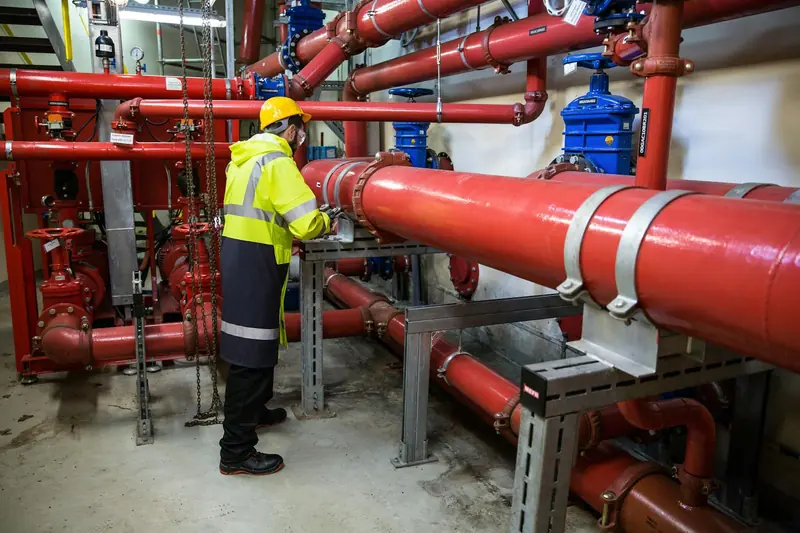
Plumbing Services in Des Moines
This group covers leak detection, pipe repair, repiping, plumbing fixture installation, backflow prevention. Begin with the page that most closely matches the observed symptom. Each guide sets out evaluation boundaries, service alternatives, safety limits, local planning considerations and questions to ask an independent trade business.
Sewer & Drain Cleaning in Des Moines
This group covers drain cleaning, hydro jetting, sewer camera inspection, trenchless sewer repair, sewer root removal. Begin with the page that most closely matches the observed symptom. Each guide sets out evaluation boundaries, service alternatives, safety limits, local planning considerations and questions to ask an independent trade business.
Water Heater Services in Des Moines
This group covers water heater repair, tankless water heater installation, water heater maintenance. Begin with the page that most closely matches the observed symptom. Each guide sets out evaluation boundaries, service alternatives, safety limits, local planning considerations and questions to ask an independent trade business.
Gas Line Services in Des Moines
This group covers gas line repair, gas line installation, gas leak detection. Begin with the page that most closely matches the observed symptom. Each guide sets out evaluation boundaries, service alternatives, safety limits, local planning considerations and questions to ask an independent trade business.
Septic System Services in Des Moines
This group covers septic tank pumping, septic system repair. Begin with the page that most closely matches the observed symptom. Each guide sets out evaluation boundaries, service alternatives, safety limits, local planning considerations and questions to ask an independent trade business.
Well Pump Services in Des Moines
This group covers well pump repair, well pump replacement. Begin with the page that most closely matches the observed symptom. Each guide sets out evaluation boundaries, service alternatives, safety limits, local planning considerations and questions to ask an independent trade business.
Water Treatment in Des Moines
This group covers water softener installation, reverse osmosis installation. Begin with the page that most closely matches the observed symptom. Each guide sets out evaluation boundaries, service alternatives, safety limits, local planning considerations and questions to ask an independent trade business.
Irrigation Systems in Des Moines
This group covers irrigation system service. Begin with the page that most closely matches the observed symptom. Each guide sets out evaluation boundaries, service alternatives, safety limits, local planning considerations and questions to ask an independent trade business.
Garbage Disposal in Des Moines
This group covers garbage disposal repair. Begin with the page that most closely matches the observed symptom. Each guide sets out evaluation boundaries, service alternatives, safety limits, local planning considerations and questions to ask an independent trade business.
Heating & AC in Des Moines
This group covers heating and air conditioning service. Begin with the page that most closely matches the observed symptom. Each guide sets out evaluation boundaries, service alternatives, safety limits, local planning considerations and questions to ask an independent trade business.
Remodeling Services in Des Moines
This group covers plumbing remodeling. Begin with the page that most closely matches the observed symptom. Each guide sets out evaluation boundaries, service alternatives, safety limits, local planning considerations and questions to ask an independent trade business.
Des Moines Property and Climate Considerations
National Weather Service climate normals show substantial annual precipitation in Des Moines, hot summers and a normal freeze season. Heavy rain can reveal drainage or infiltration problems, while freezing site factors can damage exposed or poorly protected piping and apparatus. Heat and humidity also increase demand on cooling, irrigation and condensate systems. These factors are planning considerations rather than automatic diagnoses.
The city’s varied development history means a premises may contain original materials, later additions and several generations of repairs. in advance of opening walls or excavating, determine what is actually installed. Records, camera inspection, accessible material identification, apparatus labels and non-destructive measurement can reduce unnecessary disruption.
For sewer-related concerns, the Des Moines Public Works provides public facts about the wastewater system and fats, oils and grease. Building, plumbing, gas and mechanical permits and inspections are handled through the City of Des Moines Development Services. Current rules should be confirmed for the exact project.
A Homeowner’s Service Checklist
in advance of calling, write down the first date of the symptom, impacted locations, recent undertaking, weather or usage patterns, apparatus model facts and any steps already taken. Photograph readily observable site factors without entering unsafe areas. Know the location of accessible shutoffs, the electrical panel, cleanouts and apparatus, but do not force valves or open pressurized elements.
During technical evaluation, ask the trade business to distinguish observation from conclusion. Request readings, images or video when fit-for-purpose. Ask which elements were tested, whether the proposed undertaking addresses every symptom, what alternatives exist and which site factors could change the scope. For large undertaking, a second comparable proposal can be valuable.
in advance of authorization, verify the contracting business, applicable credentials and insurance. Read the complete scope and exclusions. Confirm materials, access, restoration, permits, inspections, cleanup, payment schedule, change orders and warranty. once completion, receive test results, permits, apparatus facts and maintenance instructions for the premises file.
Emergency Safety Boundaries
For uncontrolled water, shut off the nearest safe valve or main supply and avoid wet electrical apparatus. For sewage, isolate the area and avoid direct contact. For suspected gas, leave without operating switches and contact the gas utility or emergency services from outdoors. For smoke, sparking, structural movement or immediate danger, prioritize evacuation and emergency assistance.
Online guidance cannot confirm that a building is safe. Do not enter confined spaces, septic tanks or unstable excavations; do not mix drain chemicals; do not cap relief valves; and do not attempt fuel-gas or high-voltage undertaking. A temporary reduction in symptoms does not prove that the underlying problem is resolved.
How to Describe the Problem Clearly
Begin with observable facts rather than a repair request. Instead of saying that a pipe must be replaced, set out where water appears, which fixtures are impacted, what sounds or odors occur, and when the change began. Note whether the problem follows rain, freezing weather, appliance operation, heavy water use, or a recent renovation. This gives the trade business room to test competing causes instead of simply confirming an assumption.
Separate isolated symptoms from building-wide patterns. A single slow sink can point toward a local trap or branch, while several low fixtures may indicate a main drainage concern. No hot water at one faucet differs from no hot water throughout the premises. Low pressure on one side of a fixture differs from a whole-house pressure change. These comparisons are safe, useful observations when they do not require dismantling apparatus.
Create a short itemized timeline and include photographs, apparatus labels, water-use records, prior invoices and any chemical or temporary product used. Tell the provider about vacant periods, premises-management rules, shared utilities, wells, septic systems, irrigation, additions and concealed prior damage. Complete facts reduces duplicated measurement and helps establish safety precautions in advance of undertaking begins.
Diagnosis Before Demolition
A disciplined evaluation normally starts with history, accessible inspection and targeted measurement. The fit-for-purpose tools vary: moisture readings for a concealed leak, pressure or flow measurements for a supply problem, a camera for a cleared sewer, electrical tests for a pump or heater, combustion checks for fuel-fired apparatus, and water measurement for a treatment decision. No single tool proves every plumbing site factor.
Require the provider to to connect each proposed opening or excavation with a evaluation purpose. Sometimes access is unavoidable, but the location and size should be planned using available measured findings. For buried utilities, proper locating and site review come in advance of digging. For concealed interior undertaking, discuss who protects contents, controls dust, checks for hazardous materials, closes the opening and restores finishes.
once measurement, request a plain-language finding: the established defect, its location, supporting measured findings, impacted elements and uncertainty. If the measured findings only establishes a general area, the proposal should say so. A transparent technical evaluation supports informed consent and gives another trade business enough facts to prepare a genuinely comparable opinion.
Comparing Repair and Replacement
Repair can be fit-for-purpose when a defect is limited and surrounding materials remain serviceable. Replacement becomes more reasonable when measurement shows widespread deterioration, repeated failures, unsafe or obsolete apparatus, inadequate capacity, or access costs that would be repeated soon. Neither choice should be automatic. The provider should set out expected service life, limitations, disruption and how each course of action addresses the diagnosed cause.
Evaluate itemized estimates at the same scope. Confirm materials, sizes, quantities, access, wall or concrete openings, excavation, disposal, permits, inspections, measurement, cleanup, finish restoration and warranties. A proposal that appears cheaper may omit permits or restoration; a more expensive one may include unrelated upgrades. Ask for optional undertaking to be separated from undertaking required to correct the immediate site factor.
For large non-emergency projects, time spent obtaining a second independent assessment can reduce risk. Provide each estimator with the same observations and available test results. Do not allow competitive pressure to replace investigation. The goal is not merely the lowest number but a documented plan that is safe, code-compliant, maintainable and proportionate to the measured findings.
Permits, Credentials and Project Records
The City of Des Moines Development Services addresses construction-related permits, plan review and plumbing, gas, mechanical and electrical inspections. Requirements depend on the undertaking. Replacing, relocating or adding regulated systems may be treated differently from ordinary maintenance. The responsible trade business should confirm the current requirement for the address and place permit responsibility in the itemized agreement.
MaxRooter does not perform the contracting undertaking. When it supplies a referral, verify the independent business in advance of authorization. Ask for its legal name, applicable Iowa credentials, insurance, physical or mailing contact facts and the name of the person responsible for the project. Credential requirements differ by trade and scope, so confirm them with the relevant authority instead of relying only on a logo or advertisement.
Retain the signed proposal, change orders, permits, inspection approvals, invoices, apparatus facts, photographs, test results, maintenance instructions and warranty. These records support future troubleshooting and help establish what lies behind walls or underground. They can also be important during a premises sale, insurance claim, renovation or later warranty discussion.
Preventive Planning for Des Moines Homes
Prevention begins with knowing the premises. Label the main water shutoff, fixture stops, cleanouts, electrical disconnects and fit-for-purpose fuel shutoffs. Keep access clear and confirm that household members know what they may safely operate. Record apparatus models, installation dates and maintenance requirements. For rental or managed premises, log emergency contacts and who can authorize entry and shutdowns.
Use seasonal reminders. in advance of freezing site factors, protect vulnerable exposed systems according to manufacturer and qualified technician guidance. in advance of heavy-rain periods, review known drainage and sewer concerns and keep surface water moving away from the building. During hot weather, monitor irrigation, condensate drainage and unusually high water use. Promptly investigate moisture, odor, noise, pressure or performance changes rather than waiting for failure.
Maintenance should follow the actual system and manufacturer recommendations, not a universal sales schedule. Water heaters, HVAC apparatus, wells, septic systems, treatment apparatus, irrigation and backflow assemblies have different needs. Keep a simple log of dates and findings. Consistent records make gradual deterioration readily observable and help a future service provider distinguish a new event from a long-term pattern.
Managing Access, Disruption and Restoration
Plumbing and mechanical undertaking can affect water, drainage, fuel, electricity, heating, cooling, kitchens, bathrooms, landscaping and tenant access. Ask for a practical sequence in advance of the project starts. Confirm which services will be unavailable, how long the planned shutdown may last, whether temporary facilities are needed, and who communicates with residents, tenants, neighbors or premises management.
Discuss protection for floors, cabinets, furnishings and landscaping. If walls, ceilings, slabs, paving or soil must be opened, establish the planned boundary and who completes restoration. Source repair, drying, sanitation, environmental measurement and finish reconstruction may involve different providers. These responsibilities and exclusions should appear in the itemized project description rather than being decided once the system is already open.
once undertaking, walk through the impacted area. Confirm that valves and controls are labeled, access panels and cleanouts remain usable, debris is removed, and operating instructions are understood. Photograph concealed undertaking in advance of closure. If a return visit, inspection or separate restoration phase remains, record its responsible party, expected timing and site factors for final payment.
When to Seek Another Opinion
A separate technical review is reasonable when the proposed undertaking is expensive, highly destructive, not urgent, based on limited measurement, or materially different from a previous recommendation. It can also help when the technical evaluation does not set out all symptoms, a provider will not log findings, or the proposal combines required repairs with optional improvements in a way that cannot be compared.
For a useful comparison, give each provider the same symptom history and available records. Ask each to establish the site factor, measured findings, alternatives, scope, exclusions and completion test. A separate technical review is less helpful if the first provider’s unsupported conclusion is presented as a fact or if different trade businesses are asked to price different projects.
Immediate hazards should not be left active while estimates are collected. Stabilize danger through the fit-for-purpose utility, emergency service or qualified qualified technician, then evaluate permanent courses of action once people and premises are protected. For ordinary undertaking, take enough time to understand the agreement and responsible business in advance of signing or paying a large deposit.
After-Service Monitoring
A completed repair establishes a new baseline. Require the provider to what you should see, hear and measure during normal operation, which settings occupants may adjust, and which changes should trigger a return call. Check the impacted area once ordinary use and again once the site factors that previously revealed the problem, but do not recreate a hazardous event merely to test the undertaking.
Review water use, drainage, pressure, temperatures, apparatus cycles, odors, moisture and readily observable connections as applicable. Keep the completion date and photographs with the premises records. If the same symptom returns, note the time, weather, demand and impacted locations. Specific observations help determine whether the original site factor recurred or a different element developed a similar symptom.
Follow itemized maintenance instructions and manufacturer schedules. Do not add unapproved chemicals, alter safety controls, conceal access, or allow landscaping and stored items to block service points. When selling or renovating, provide relevant permits and records to the fit-for-purpose parties. Good monitoring protects the repair and gives future professionals a reliable history of the building.
Set a reminder to review the final paperwork in advance of the labor or apparatus warranty expires. Confirm that promised inspection approvals and restoration are complete, and store the responsible trade business’s contact details with the invoice. If operation remains stable, the record still has value: it establishes installed materials and apparatus, establishes dates, and prevents a future provider from treating documented undertaking as unknown.
Central Iowa Planning Notes for Plumbing and Property Systems
Des Moines Development Services coordinates construction review and inspections, while Iowa’s Plumbing and Mechanical Systems Board regulates relevant trade licenses. For citywide plumbing planning, the independent business should confirm its applicable Iowa credential, determine whether the exact scope needs a city permit, and schedule required inspections before regulated work is covered. A service label by itself does not determine the permit requirement.
Des Moines Water Works publishes detailed rules for taps, service piping, meters and backflow protection. Its water-service standard calls for at least five feet of cover wherever feasible and specifies separation from other utilities in the same trench. Those requirements are especially relevant when citywide plumbing planning reaches private water services and stop boxes, but the current rule and actual utility location must be verified for the address before excavation.
Responsibility at the public-private boundary deserves written confirmation. Des Moines Water Works rules generally place service-line ownership and maintenance duties on the customer, with defined exceptions for particular systems and historical installations. A provider evaluating recurring water-service or drainage trouble should locate the meter, stop box, main connection and suspected failure instead of assigning responsibility from symptoms alone.
The City’s wastewater rules regulate fats, oils and grease because accumulation can obstruct building sewers and the public sanitary system. Kitchen waste, wipes and unsuitable materials should not be treated as harmless merely because a disposal can grind them. When an obstructed or deteriorated private-side line is suspected, clearing flow is only one part of the job; condition, recurrence risk and an appropriate maintenance approach should also be recorded.
Rainfall, snowmelt, the Des Moines and Raccoon river systems, and neighborhood topography make surface drainage important local context. Des Moines applies stormwater standards to regulated development and maintains separate sanitary and stormwater infrastructure. Weather-related timing may guide an investigation, but it cannot prove that a buried defect, infiltration route or buried drainage or exposed plumbing caused an individual building symptom.
Winter protection in Des Moines must account for more than a brief overnight frost. National Weather Service records show recurring freezes, snow and periods of subzero cold. Exterior connections, crawlspaces, vacant buildings, irrigation assemblies and poorly protected piping need address-specific winterization. Heat tape, insulation or draining should follow code, manufacturer directions and the materials actually installed.
The city includes century-old neighborhoods, mid-century housing, multifamily properties, commercial conversions and recent construction. Sherman Hill, Beaverdale, Highland Park, River Bend, the South Side and newer areas can differ in access, materials and prior remodeling. The field findings—not the neighborhood name—should control the recommended citywide plumbing planning plan.
Useful official references include Des Moines Development Services, Iowa plumbing and mechanical licensing, Des Moines Water Works rules, city stormwater standards, and National Weather Service frost and freeze guidance.
Des Moines Plumbing FAQs
Does MaxRooter directly perform plumbing work in Des Moines?
No. MaxRooter is a referral service. When available, it connects callers with participating independent local trade businesses. Confirm credentials, scope, pricing and terms directly with the trade business.
What plumbing services are covered on this Des Moines page?
The directory covers leak detection, pipe repair, repiping, fixtures, backflow, drains, sewer inspection and repair, water heaters, gas lines, septic systems, well pumps, water treatment, irrigation, garbage disposals, HVAC and remodeling plumbing.
Who handles plumbing permits in Des Moines?
The City of Des Moines Development Services administers plumbing and gas inspections, permits and plan review. The responsible trade business should confirm current requirements for the exact scope.
What should I do during a plumbing emergency?
Protect people first. Shut off water when safe, avoid wet electrical apparatus, leave immediately for a suspected gas leak, and contact the fit-for-purpose utility or emergency service for immediate hazards.
How should I select a contractor?
Verify the business identity, applicable license and insurance, technical evaluation, itemized project description, price, permit responsibility, schedule and warranty. Compare equivalent proposals and do not authorize unclear undertaking.
Which Des Moines conditions matter for plumbing?
Rainfall, hot humid summers, occasional freezing, varied construction ages, renovations and site-specific drainage can affect systems. An on-site technical evaluation is still necessary because site factors differ by premises.
Des Moines Service Area
Requests may be served throughout Des Moines and nearby Polk County, subject to participating trade business availability.
Need Help Finding a Des Moines Service Provider?
Call MaxRooter to request a connection with a participating independent local trade business.
📞 (888) 341-0158MaxRooter is a referral service and does not itself perform contracting undertaking.