
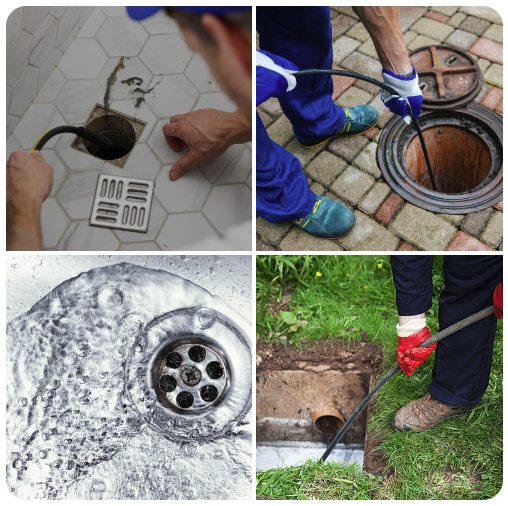
Professional drain cleaning may be necessary when a clog repeatedly returns, several fixtures drain slowly, or wastewater begins backing up into the home. A single slow sink can sometimes be caused by debris near the stopper, but recurring or widespread drainage problems may indicate buildup, a deeper obstruction, root intrusion, pipe damage, or a problem in the main sewer line.
Recognizing the warning signs early can help homeowners respond before a minor drainage issue becomes an overflow, sanitation concern, or expensive plumbing emergency. This guide explains nine common signs of a drain problem, what you can safely check yourself, and when a professional inspection is the more appropriate next step.
Quick answer: when is professional drain cleaning needed?
You may need professional drain cleaning when a blockage cannot be removed through basic, safe cleaning of an accessible stopper or strainer, or when the same clog returns soon after the drain appears to be cleared. Professional assistance is also appropriate when multiple drains are affected, sewage is present, a toilet causes water to rise in a tub or shower, or unusual drainage symptoms appear throughout the property.
A plumbing professional can identify where the obstruction is located and select a cleaning method appropriate for the pipe material, condition, and type of blockage. Depending on the findings, that may involve mechanical drain cleaning, hydro jetting, or a video camera inspection. These methods should not be selected automatically; the condition of the plumbing system should guide the decision.
9 warning signs that your drains need attentionCommon signs and causes
1. Water drains noticeably slower than before. A sink, shower, or bathtub that takes longer to empty may have soap residue, hair, grease, mineral deposits, or other material narrowing the drain. Gradual slowing is often an early warning that buildup is accumulating.
2. The same drain keeps clogging. A clog that returns shortly after plunging or cleaning may not have been completely removed. It can also indicate a deeper obstruction, damaged pipe, or another condition that basic surface cleaning cannot resolve.
3. Several fixtures drain slowly at the same time. When sinks, showers, tubs, or toilets in different parts of the home develop problems together, the cause may be farther down the drainage system rather than inside one fixture.
4. Water backs up into another fixture. Water rising in a shower when a toilet flushes, or appearing in a sink when a washing machine drains, can indicate a shared drain or main-line obstruction. Stop unnecessary water use until the cause is identified.
5. Drains produce recurring gurgling sounds. Occasional sounds are not always an emergency, but frequent gurgling can result from restricted flow, displaced air, or a plumbing vent problem. The location and timing of the sound help a professional narrow down the cause.
6. Unpleasant drain odors keep returning. Odors may come from trapped debris, a dry trap, bacterial buildup, a disposal, a venting problem, or sewer gas. Persistent odors should be investigated instead of repeatedly covered with fragrances or cleaners.
7. Drain flies repeatedly appear. Drain flies can reproduce in organic material inside a drain or another damp area. Cleaning the visible drain may help, but continued activity suggests that residue or another moisture source remains.
8. Sewage or dirty water is backing up. Wastewater entering a sink, shower, bathtub, floor drain, or lower-level fixture is an urgent sanitation concern. Keep people and pets away from the affected area and stop using water-consuming fixtures.
9. The blockage affects the lowest drains first. Main sewer-line problems often become visible at low fixtures, such as a basement floor drain or first-floor shower. Tree roots, accumulated waste, damaged piping, or a collapsed section may require inspection rather than routine cleaning.
Common causes of clogged and slow drains
Kitchen drain problems commonly develop from cooking grease, oil, food residue, coffee grounds, and starchy materials. Grease can enter the drain as a liquid and then cool against the pipe wall, trapping additional debris and gradually restricting flow.
Bathroom drains frequently collect hair, soap residue, shaving products, and personal-care materials. Toilets may clog when wipes, paper towels, hygiene products, cotton items, or excessive paper are flushed. Products advertised as flushable may not break down quickly enough for every plumbing system.
A main drain or sewer line can also be affected by tree-root intrusion, ground movement, scale, corrosion, offset joints, poor pipe slope, or structural damage. In these situations, cleaning may restore flow temporarily without correcting the underlying defect. A camera inspection may be needed to determine why the obstruction keeps returning.
What homeowners can safely check first
Begin by identifying whether the problem affects one fixture or several. Remove and clean an accessible sink stopper, shower screen, or drain strainer if the manufacturer’s instructions allow it. Check whether another fixture changes the affected drain’s water level or produces gurgling.
A plunger may help with a simple, localized clog when used correctly. Use a plunger designed for the fixture and avoid excessive force, particularly with older or fragile plumbing. Do not continue if plunging causes wastewater to appear elsewhere.
Check whether a trap may have become dry when an infrequently used drain produces an odor. Running water may restore the trap seal. However, odors that continue after the trap contains water should be investigated.
Document which fixtures are affected, when the symptoms began, and whether the problem follows use of a toilet, washing machine, dishwasher, or another fixture. This information can make professional diagnosis more efficient.
How professional drain cleaning works
A professional should first evaluate the symptoms and determine whether the problem is isolated to one fixture, a branch drain, or the main sewer line. The technician may inspect accessible plumbing, test fixture behavior, and recommend a camera inspection when the location or condition of the obstruction is uncertain.
Mechanical drain-cleaning equipment can break apart or retrieve certain obstructions. Hydro jetting uses pressurized water to remove suitable buildup from the pipe wall, but it may not be appropriate for every damaged, fragile, or poorly connected pipe. Video inspection can reveal roots, cracks, corrosion, offset joints, foreign objects, or collapsed sections that cleaning alone cannot repair.
The objective is not simply to create a small opening through the blockage. Effective service should restore appropriate flow and identify conditions likely to cause the problem to return. Ask what was found, which method is recommended, and whether a repair or follow-up inspection is necessary.
When to call a plumbing professional
Arrange professional assistance when a clog repeatedly returns, multiple fixtures are affected, sewage is present, or water backs up into another drain. You should also seek help when the plumbing makes persistent gurgling sounds, the lowest fixtures overflow first, or basic cleaning of an accessible stopper does not improve drainage.
A suspected main-line blockage should be handled promptly because continued use of toilets, sinks, washing machines, and dishwashers can add more water behind the obstruction. If wastewater is entering the home, stop unnecessary water use and keep children and pets away from contaminated areas.
Drain cleaning may not be the complete solution when a pipe is cracked, collapsed, badly corroded, improperly sloped, or repeatedly invaded by roots. In those cases, inspection and repair may be required to address the underlying cause.
How to prevent recurring drain clogs
Keep cooking grease, oil, and fat out of kitchen drains. Wipe greasy cookware before washing it, use sink strainers, and place food scraps in the trash or compost. Even when a garbage disposal is installed, feed only appropriate material in small amounts and follow the manufacturer’s instructions.
Use hair screens in showers and bathtubs, and clean them regularly. Flush only normal wastewater and toilet paper. Keep wipes, paper towels, hygiene products, dental floss, cotton products, and household waste out of toilets.
Pay attention to changes in drainage speed instead of waiting for a complete blockage. Recurring slow drainage, odors, and gurgling should be investigated early. Properties with older sewer lines or a history of root intrusion may benefit from inspections based on the system’s actual condition and previous problems.
What to do next
One slow drain does not always indicate a major plumbing failure, but repeated clogs, multiple affected fixtures, sewage backup, and cross-fixture drainage problems should not be ignored. Professional drain cleaning can remove appropriate obstructions, while camera inspection can help identify root intrusion, pipe damage, or another cause that cleaning alone cannot correct.
MaxRooter is a referral service that helps homeowners connect with independent local plumbing professionals. If your drainage problem keeps returning or affects more than one fixture, call (888) 341-0158 to check service availability in your area.