
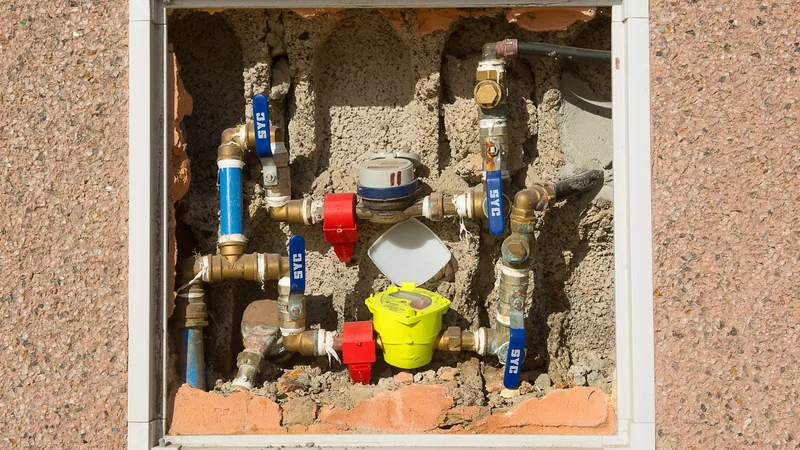
Backflow prevention testing is an important topic for homeowners because backflow assemblies help prevent contaminated water from reversing into a potable supply, but testing and service requirements depend on the device, property, and local authority. This guide explains the signs that deserve attention, common causes, safe observations a homeowner can make, what a professional evaluation should include, and steps that may reduce recurrence.
The goal is not to diagnose a property from one symptom or encourage unnecessary work. It is to help readers recognize when routine maintenance may be reasonable, when testing or inspection can clarify the cause, and when delay could increase damage, interruption, cost, or safety risk. Conditions, codes, equipment, and service availability vary, so recommendations should be confirmed for the specific property.
Quick answer
Backflow assemblies help prevent contaminated water from reversing into a potable supply, but testing and service requirements depend on the device, property, and local authority.
The practical next step is to identify the scope, urgency, and likely cause before selecting a repair or maintenance method. One symptom may have a simple explanation, while repeated or property-wide symptoms can point to a deeper condition. Keep records, avoid unsafe experimentation, and use qualified professionals when the work involves concealed systems, fuel, electricity, pressure, wastewater, drinking-water safety, permits, or specialized testing.
Warning signs to watch for
1. A testing notice arrives from the water supplier or local authority. This observation does not prove one specific failure by itself. Record where and when it occurs, whether it affects one fixture or the whole property, and any recent maintenance or construction. That context helps distinguish a routine backflow prevention concern from a condition that needs broader diagnosis.
2. The property has an irrigation system, fire-sprinkler connection, pool fill, boiler, or other cross-connection. This observation does not prove one specific failure by itself. Record where and when it occurs, whether it affects one fixture or the whole property, and any recent maintenance or construction. That context helps distinguish a routine backflow prevention concern from a condition that needs broader diagnosis.
3. A device leaks, discharges repeatedly, freezes, or shows visible damage. This observation does not prove one specific failure by itself. Record where and when it occurs, whether it affects one fixture or the whole property, and any recent maintenance or construction. That context helps distinguish a routine backflow prevention concern from a condition that needs broader diagnosis.
4. Plumbing use changed after remodeling or new equipment installation. This observation does not prove one specific failure by itself. Record where and when it occurs, whether it affects one fixture or the whole property, and any recent maintenance or construction. That context helps distinguish a routine backflow prevention concern from a condition that needs broader diagnosis.
5. The assembly has no readable inspection tag or reliable service record. This observation does not prove one specific failure by itself. Record where and when it occurs, whether it affects one fixture or the whole property, and any recent maintenance or construction. That context helps distinguish a routine backflow prevention concern from a condition that needs broader diagnosis.
Common causes and contributing conditions
The most common conditions associated with backflow prevention include:
1. Pressure changes in the public or private water system.
2. Worn seals, debris, corrosion, freezing, or incorrect installation.
3. A missing, unsuitable, bypassed, or untested assembly.
4. Changes to irrigation, commercial equipment, or auxiliary water sources.
These possibilities overlap, so visible symptoms alone may not identify the actual cause. Age, material, installation history, water conditions, site conditions, and previous repairs all change the diagnosis. A useful recommendation should be tied to observed or measured evidence.
What homeowners can safely check
Homeowners can collect useful information without dismantling or altering safety-critical equipment:
1. Locate the device without opening or adjusting it.
2. Review notices, previous test reports, and local compliance dates.
3. Look for obvious leakage, freeze damage, or an obstructed discharge area.
4. Confirm that shutoff access is clear for a certified tester.
Take photographs where safe, note dates and operating conditions, and gather manuals or prior service records. Stop if a check requires opening sealed equipment, entering a confined space, contacting sewage, working near live electricity, or disturbing gas or pressurized components.
What professional service should include
A professional evaluation should follow a clear sequence rather than beginning with the most invasive option:
1. Identify the assembly type and applicable local requirement.
2. Use calibrated test equipment to verify check valves and relief operation.
3. Repair or replace failed components where permitted.
4. Document results and submit required certification to the authority.
Before authorizing work, ask what evidence supports the recommendation, what alternatives exist, which permits or inspections apply, and how the result will be verified. Keep photographs, videos, test results, model numbers, warranties, and invoices with the property records.
How to reduce future problems
Not every backflow prevention problem is preventable, but consistent maintenance can reduce avoidable failures:
1. Protect exposed equipment from freezing as locally appropriate.
2. Keep inspection records and schedule required testing before deadlines.
3. Do not bypass, cap, paint over, or obstruct an assembly.
4. Have new cross-connections reviewed before they are placed in service.
Use manufacturer instructions and local requirements instead of an arbitrary universal schedule. A good maintenance plan reflects equipment condition, household use, water or soil conditions, climate, and documented history. Repeated symptoms deserve diagnosis rather than repeated temporary treatment.
What to do next
A sound decision about backflow prevention starts with the actual symptoms and evidence, not a generic schedule or one-size-fits-all recommendation. Document changes, complete only safe observations, and address recurring or widespread problems before they cause additional damage or interruption.
MaxRooter is an independent referral service that helps homeowners connect with local service contractors. Contractors are independent, and availability, qualifications, pricing, and response times vary by location. Homeowners should verify licensing, insurance, permits, and the proposed scope before hiring. To check service availability, call (888) 341-0158.